
Most homeowners think about tree care only when something becomes impossible to ignore. A limb hangs over the roof. A tree begins leaning toward the driveway. Roots lift a section of walkway, or a storm leaves branches scattered across the yard. Those situations demand attention, but they represent only one part of responsible tree ownership. Trees influence nearly every section of an outdoor property, including drainage, sunlight, roof maintenance, utility access, landscaping, and future construction plans. Working with an experienced Monmouth County tree company gives homeowners an opportunity to manage those relationships before they create expensive problems.
The goal is not simply to trim trees. It is to make sure each tree continues to fit the property around it.
Trees and Homes Grow Together
A young tree may look perfectly placed when first planted. Twenty years later, its canopy can extend over the roof, its roots may reach toward hardscaping, and its lower branches might interfere with vehicles or outdoor living areas.
Meanwhile, the property itself may also change. Homeowners add decks, install pools, expand driveways, build sheds, replace septic components, or redesign landscaping. A tree that once had plenty of open space can suddenly become crowded by new features.
A Monmouth County tree company can evaluate how mature trees interact with the current layout of the property. That assessment helps homeowners decide whether pruning, canopy reduction, root-zone protection, or removal should become part of a larger improvement plan.
Thinking ahead matters most when a renovation or landscaping project is still in the planning stage. Protecting an established tree often requires more than avoiding the trunk. Heavy equipment, excavation, soil compaction, and grading can affect the surrounding root area even when the tree itself appears untouched.
Look Beyond the Roofline
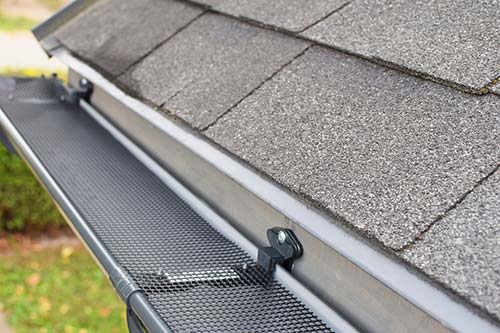
Branches do not need to fall through a roof to cause trouble. Limbs that rest against shingles can scrape roofing materials during windy weather. Dense growth may also drop leaves, twigs, seeds, and other debris into gutters or roof valleys.
Shade provides welcome relief during the summer, but a canopy that has grown too close to the house can restrict airflow and keep portions of the roof damp longer after rain. Proper pruning creates separation without automatically sacrificing the character or shade that a mature tree provides.
Professional pruning also considers balance. Removing random branches may create an uneven canopy or shift weight toward one side of the tree. An experienced crew evaluates the complete structure before making cuts, especially when large limbs extend over a house, garage, patio, or neighboring property.
Pay Attention to Your Hardscaping Too
A cracked walkway does not always mean tree roots caused the damage, but growing roots can contribute to movement when trees sit too close to paved areas. Problems become more likely as trunks expand and roots compete for limited soil beneath compacted sections of a yard.
Cutting exposed roots without understanding their role can weaken a tree. Covering them with too much soil may create another set of health concerns. Rather than treating the visible symptom alone, homeowners should have the tree and surrounding site evaluated together.
A qualified Monmouth County tree company professional can explain whether pruning, root management, pavement modification, or removal offers the most practical long-term solution. That guidance becomes especially useful before replacing a driveway or installing new pavers. Planning around the tree may help prevent the same damage from returning.
Keep Utility Access in the Conversation
Trees frequently share space with overhead wires, underground utilities, irrigation systems, fences, and service entrances. As branches and roots grow, that shared space can become increasingly difficult to manage.
Homeowners should never attempt to prune near active utility lines themselves. Even branches that appear safely separated from a wire can move unexpectedly once cutting begins. Specialized situations require the right training, equipment, and coordination.
Underground work also deserves attention. Before installing drainage, lighting, fencing, or irrigation, homeowners should consider nearby trees. Trenching through a major root area can affect stability and long-term health.
A tree care professional can identify areas where construction may create avoidable stress. Small adjustments to a project layout can sometimes preserve both the tree and the improvement.
Make Tree Care Part of Property Planning
Tree maintenance works best when it becomes part of a regular property review rather than a reaction to emergencies. Homeowners can walk the yard seasonally and look for noticeable changes, including broken limbs, thinning sections of canopy, new trunk damage, mushrooms near the base, soil movement, or branches growing closer to structures.
That does not mean every unusual feature signals a serious problem. Trees naturally change throughout the year. However, documenting changes makes it easier to notice when something progresses.
Professional inspections become especially valuable before major storms, home renovations, property sales, or landscaping projects. A knowledgeable Monmouth County tree company can help prioritize work so homeowners understand what needs immediate attention and what can be monitored over time.

Build a More Functional Landscape
Healthy, well-positioned trees can add shade, privacy, beauty, and character to a property. Those benefits become easier to preserve when tree care accounts for the entire site rather than one branch or trunk at a time.
Ben Bivins Tree Experts, an experienced Monmouth County tree company, helps homeowners take a broader view of their landscapes. From strategic pruning and tree removal to evaluating how trees interact with structures and outdoor improvements, professional guidance supports safer decisions and more practical long-term planning.
The best time to think about tree care is not always after a storm. It may be before replacing a roof, widening a driveway, installing a patio, or redesigning the yard. By involving a trusted Monmouth County tree company early, homeowners can make choices that work for both their trees and their property.